

Selecting artificial turf for a sports facility requires consideration of both the turf product and the completed playing surface. Beyond fibre specifications, pile height and laboratory test results, project teams need to understand how the system will be installed, assessed and maintained throughout its service life.
Product Testing and Field Certification
Material testing forms part of the technical evaluation of artificial turf. REACH, EN 71-3 and applicable ASTM or DIN test methods address different aspects of material safety and product performance. These results provide useful information during product selection, but they do not establish whether an installed sports field meets the performance requirements of a governing body.
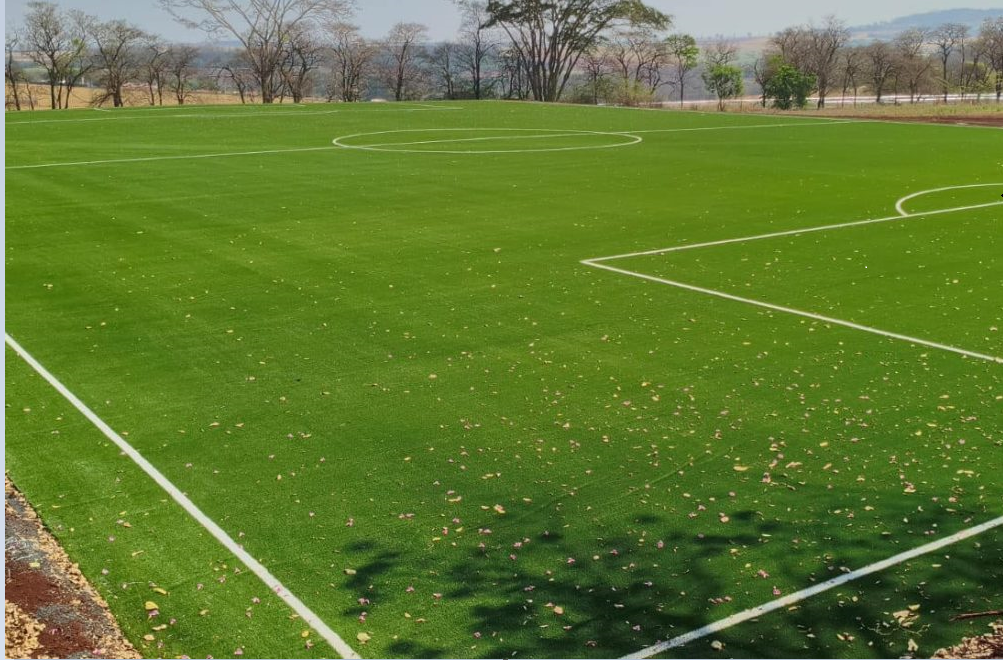
A completed playing surface consists of several components working together. Depending on the system, these may include turf, infill, a shock pad and the underlying base. Installation quality and maintenance practices also affect playing characteristics over time.
Field certification therefore involves testing the installed system under the relevant sporting standards. Product documentation supports this process, while field testing establishes whether the finished surface meets the required performance criteria.
FIFA, FIH and World Rugby Supplier Programmes
FIFA’s Preferred Provider programme covers manufacturers with established capabilities in artificial football turf production, quality management, installation and technical support. Football pitches seeking FIFA Quality or FIFA Quality Pro certification must undergo the applicable testing and assessment procedures after installation.
The FIH Quality Programme addresses the requirements of hockey surfaces, with different categories reflecting their intended level of play. International competition venues, community facilities and training grounds may have different surface specifications. FIH Preferred Turf & Field Suppliers participate in turf manufacturing and field construction, while the appropriate surface category and testing requirements are determined by the intended use of each facility.
World Rugby’s Preferred Turf Producer programme focuses on suppliers involved in the design, construction and maintenance of rugby turf systems. Completed rugby fields are assessed under Regulation 22, which establishes requirements for the performance and testing of artificial playing surfaces.
Each programme has its own approval procedures and technical criteria. For facility owners and contractors, understanding these differences helps clarify supplier responsibilities and the certification requirements that apply to a particular project.
Evaluating a Turf Manufacturer
CCGrass is a FIFA Preferred Provider, FIH Preferred Supplier, and World Rugby Preferred Turf Producer. The company operates six manufacturing bases across China, Vietnam and Indonesia, with a reported annual production capacity of more than 160 million square metres. CCGrass also reports that its turf systems have been installed at more than 600 FIFA-certified football fields worldwide.
This manufacturing background and project experience provide useful context when assessing a potential supplier. However, procurement decisions also depend on the requirements of the individual facility.
When reviewing football turf systems, project teams should examine the proposed system specifications, comparable reference installations, installation arrangements and field testing procedures. Maintenance requirements and the responsibilities of the parties involved should also be established before construction begins.
Conclusion
Preferred supplier programmes provide a framework for assessing manufacturer capabilities and responsibilities in sports turf projects. Product testing, system design, installation and field certification remain separate but related parts of the process.
A review of these requirements during procurement can help facility owners and contractors select an appropriate turf system and establish clear expectations for installation, testing and ongoing maintenance.